

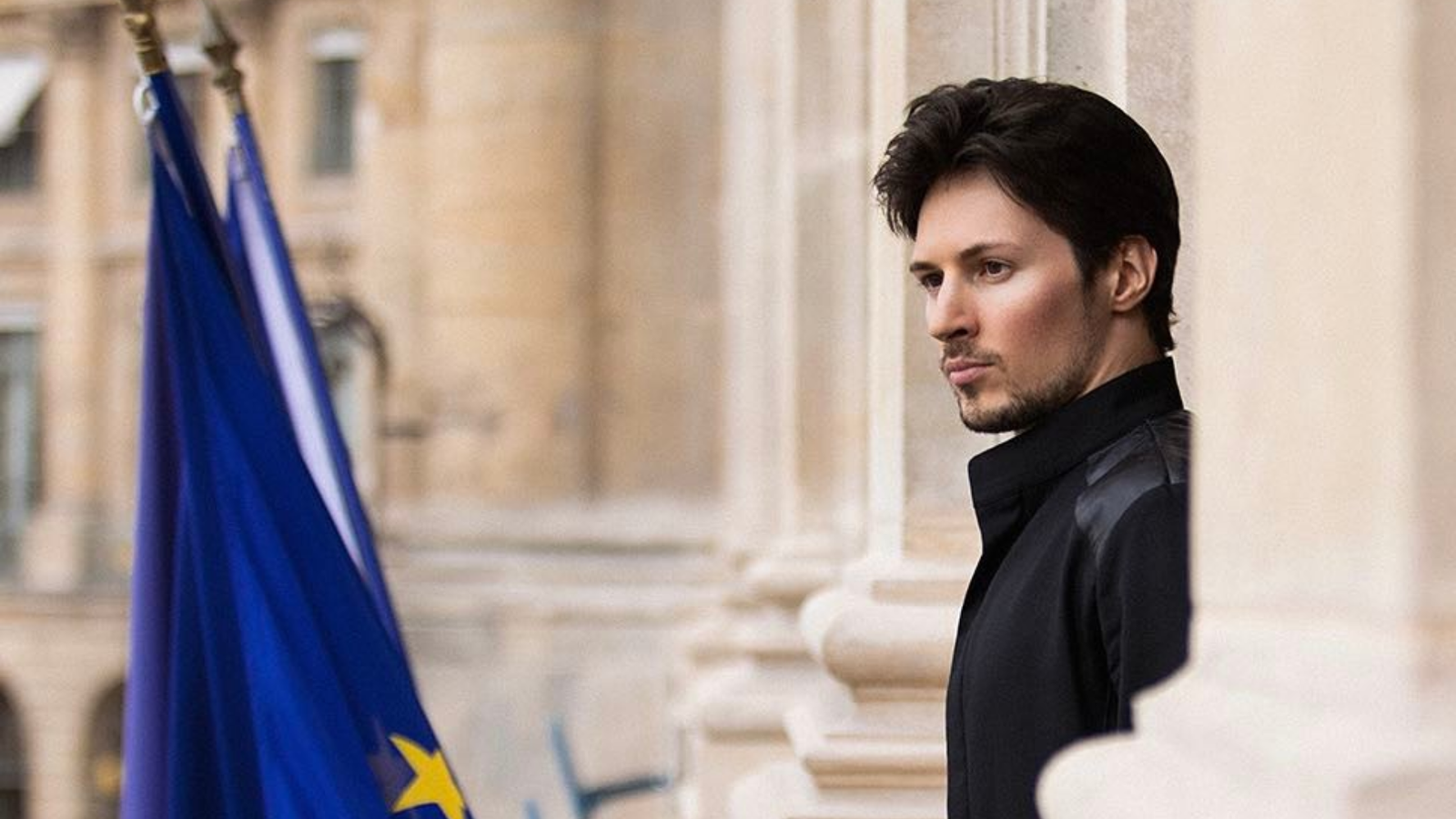

Russian authorities have placed Telegram founder Pavel Durov on an international wanted list after accusing the messaging platform of failing to remove channels, chats and bots allegedly used to recruit dozens of young Russians into sabotage and terrorist activities on behalf of Ukrainian intelligence.
- Russia places Pavel Durov on an international wanted list for allegedly facilitating terrorist recruitment through the Dayvinchik dating bot on Telegram.
- Federal Security Service officials detain 46 individuals aged 12 to 22 for sabotage activities coordinated via fraudulent female profiles.
- Pavel Durov faces a potential life sentence under Article 205.1 as Roskomnadzor expands domestic restrictions on the messaging application.
The charges stem from a criminal investigation by Russia’s Federal Security Service (FSB), which claims 46 people aged between 12 and 22 were recruited through the popular Telegram dating chatbot Dayvinchik before carrying out attacks on transport, communications, energy infrastructure, financial institutions and law enforcement officers across multiple Russian regions.
Durov has been charged under Article 205.1 of Russia’s Criminal Code for allegedly facilitating terrorist activity, an offence that carries a maximum sentence of life imprisonment. The charges come as Russian authorities continue tightening restrictions on Telegram inside the country.
Russia Alleges Dating Bot Was Used to Recruit Young Russians
In a statement published on Tuesday, the FSB alleged Ukrainian intelligence officers created fake female profiles on the Telegram chatbot Dayvinchik, also known as ‘Leo – acquaintances, communication and new friends’, to establish romantic relationships with young Russian men.
According to the agency, the victims were persuaded to share locations for supposed meetings at shopping centres and other public places and to buy cinema tickets, concert tickets and gifts through phishing links.
Have a development worth tracking?
Share product launches, funding announcements, partnerships, research findings and market developments with The Grey Terminal's readership.
→ Submit a Press ReleaseThe FSB said Ukrainian operatives later contacted the same individuals through other messaging applications while posing as Russian police officers and officials from Rosfinmonitoring, the country’s financial intelligence agency.
The impostors told the victims that money sent through the phishing links had reached the Ukrainian military and that the locations they had shared had been used to plan missile and drone attacks inside Russia, the agency said.
The FSB alleged the victims were then threatened with criminal prosecution and pressured into carrying out arson attacks, sabotage and assaults on law enforcement officers under the guise of participating in security operations.
Russian authorities said 46 suspects were detained across at least 16 regions, including Moscow, St Petersburg, Belgorod, Rostov, Saratov and Novosibirsk.
Investigators Say Telegram Ignored Removal Requests
The criminal case does not accuse Durov of personally organising the alleged recruitment campaign.
Instead, investigators argue Telegram failed to remove material that Russian authorities had repeatedly identified as unlawful.
The FSB said Dayvinchik was added to Roskomnadzor’s register of prohibited websites in December 2025 after authorities alleged it contained child sexual abuse material and content banned under Russian law.
The agency also accused Telegram of failing to remove channels, chats and bots allegedly used by Ukrainian intelligence agencies, terrorist organisations and extremist groups to coordinate attacks and cyber-fraud operations.
‘The Telegram administration has not removed the prohibited information in violation of Russian legislation,’ the FSB said.
The agency further alleged that the platform’s failure to remove the material contributed to deaths and caused billions in economic damage. Those claims could not be independently verified.
Russia Seeks Durov’s Arrest Abroad
Russian authorities have begun procedures to place Durov on an international wanted list, a step that could support future extradition requests should he travel to jurisdictions willing to cooperate with Moscow.
Lawyer Vladimir Zherebenkov, quoted by Russian state news agency TASS, said issuing an international wanted notice is a standard legal procedure in cases where investigators seek an arrest in absentia.
Durov, who lives in Dubai and holds multiple citizenships, has not commented publicly on either the charges or the international warrant.
Telegram also issued no formal statement. Instead, the company’s official X account posted a photograph of Durov raising his middle finger shortly after Russian authorities announced the charges, without any accompanying explanation.
Telegram Restrictions Continue in Russia
The charges come as Russian authorities continue expanding restrictions on Telegram.
Technology analysts quoted by Russian media said access to Telegram has become increasingly unreliable without virtual private networks after Roskomnadzor broadened measures against the platform earlier this year.
State media reported testing showed persistent connectivity problems affecting Telegram domains under normal internet connections, while officials have encouraged users to adopt MAX, a state-backed messaging platform.
Telegram has faced repeated pressure from Russian authorities over content moderation and encrypted communications. Despite the restrictions, it remains one of the country’s most widely used messaging platforms among government officials, military bloggers and civilians.
Activate Terminal Layer
Structural analysis of the systems, pressures, and stakeholders behind this story.