

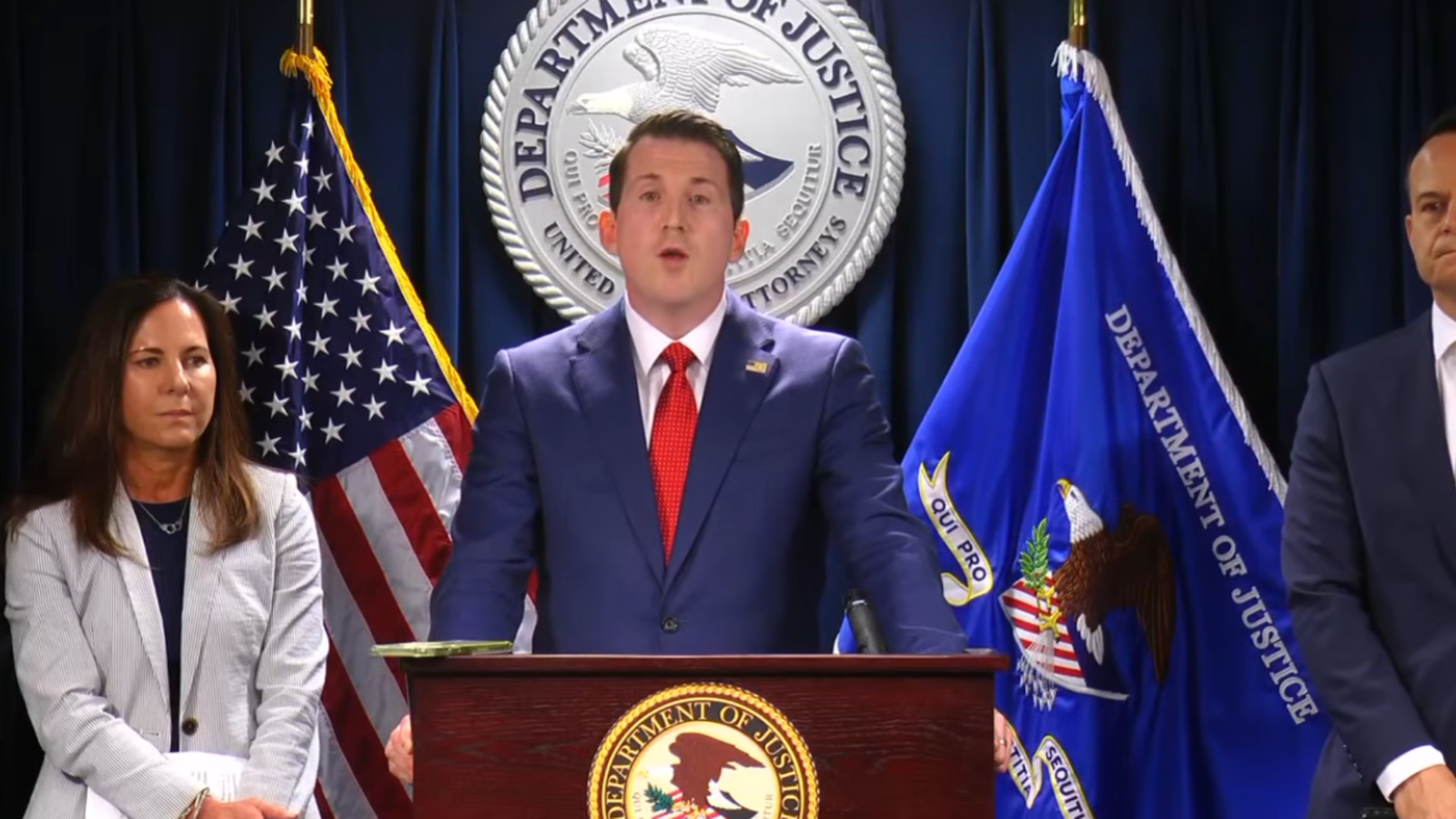

The U.S. government has asked a federal court to issue an arrest warrant for an Ethereum wallet holding about $2.1 million in Tether (USDT), alleging the cryptocurrency represents proceeds of an international ‘pig-butchering’ investment fraud uncovered through a months-long blockchain investigation.
- The US Government files a civil forfeiture lawsuit to seize an Ethereum wallet linked to international investment fraud.
- FBI investigators trace $2.1 million in Tether through seventy-six addresses connected to thirteen victims of pig-butchering scams.
- The Secret Service uses in rem legal actions to target assets directly, bypassing the need to charge individual perpetrators.
The civil forfeiture complaint, filed in the U.S. District Court for the District of Columbia, seeks approximately $2,117,677.97 in USDT after investigators from the U.S. Secret Service, the Federal Bureau of Investigation and the Memphis Virtual Currency Task Force said they traced the funds through 76 cryptocurrency addresses linked to at least 13 alleged victims. Rather than charging an individual, the government has brought the action against the digital assets themselves.
Investigators Trace Funds Across 76 Wallets
According to the complaint, victims were contacted through messaging platforms including WhatsApp before being directed to fraudulent cryptocurrency investment platforms that displayed fabricated profits and encouraged larger deposits over time.
Prosecutors said the funds were subsequently split, transferred and consolidated across dozens of Ethereum wallets in an effort to conceal their origin. Investigators reconstructed the movement of the cryptocurrency through 76 intermediary addresses before identifying the wallet that now holds the remaining assets.
The complaint alleges the balance represents proceeds of wire fraud and money laundering tied to the investment scheme.
Have a development worth tracking?
Share product launches, funding announcements, partnerships, research findings and market developments with The Grey Terminal's readership.
→ Submit a Press ReleaseFederal investigators said blockchain transaction records allowed them to follow the movement of funds despite repeated transfers between wallets. The complaint links the traced cryptocurrency to losses reported by at least 13 victims.
Civil Forfeiture Targets Digital Assets
The lawsuit is a civil in rem forfeiture action, a legal process that allows the government to seek property allegedly connected to criminal activity without first charging the owner.
Instead of naming an individual defendant, the complaint identifies the approximately $2.12 million in USDT as the property subject to forfeiture. Prosecutors argue the cryptocurrency is traceable to proceeds of wire fraud and money laundering offences.
The government has asked the court to issue a warrant for the arrest of the property, the procedural step required to begin forfeiture proceedings. If granted, the assets could ultimately be forfeited to the United States following judicial review and any competing ownership claims.
Complaint Seeks More Than $2.1 Million in USDT
The defendant property consists of approximately $2.12 million in USDT, a U.S. dollar-pegged stablecoin issued by Tether.
According to the complaint, investigators identified the wallet as the endpoint of the alleged laundering chain after analysing blockchain transactions linked to the fraud operation.
Unlike decentralised cryptocurrencies, USDT is issued by a central entity, allowing tokens to be frozen or transferred in response to lawful court orders under certain circumstances.
The complaint does not accuse Tether of wrongdoing.
Blockchain Records Underpin Complaint
The government’s case relies heavily on blockchain forensic analysis rather than traditional banking records.
Investigators allege publicly available transaction data allowed them to reconstruct the movement of cryptocurrency from victims’ wallets through dozens of intermediary addresses before reaching the defendant wallet.
No individual has been named as a defendant in the civil action, and the complaint does not identify the people who allegedly controlled the wallet.
The government is instead seeking to establish that the cryptocurrency itself constitutes property involved in, or traceable to, wire fraud and money laundering. If the court grants the forfeiture request, ownership of the digital assets would transfer to the United States under federal civil forfeiture law, subject to any valid claims from third parties.
Activate Terminal Layer
Structural analysis of the systems, pressures, and stakeholders behind this story.