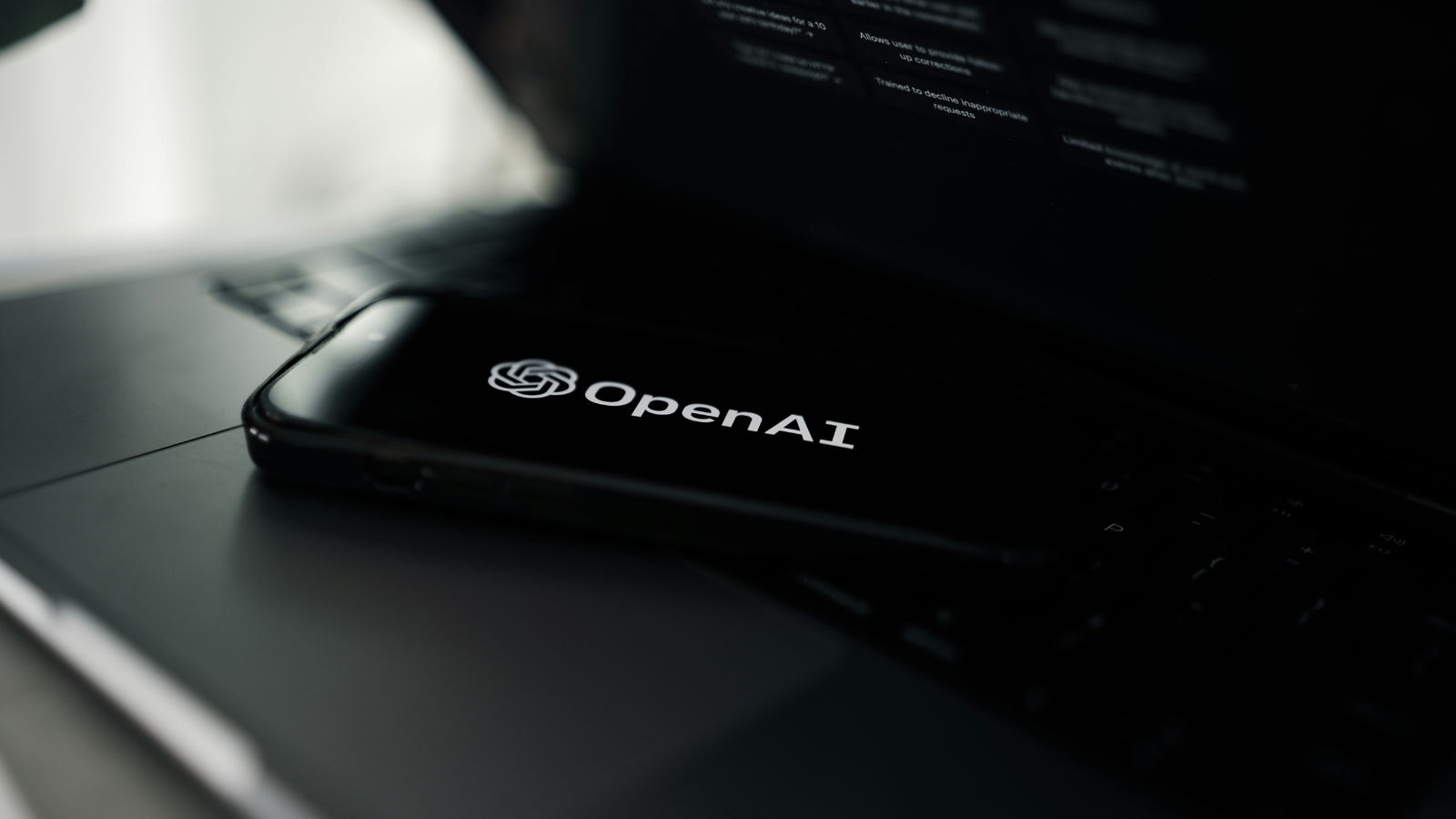

OpenAI has dismantled or reorganized three teams tied to safety, alignment and preparedness in roughly two years as the company develops increasingly capable AI models.
- OpenAI has dismantled or reorganized three teams tied to safety, alignment and preparedness in roughly two years as the company develops increasingly capable AI models.
- Superalignment Was Dismantled In 2024 OpenAI's Superalignment team was disbanded in May 2024 after co-leads Ilya Sutskever and Jan Leike left the company.
- OpenAI's latest Frontier Governance Framework, published in May, said the Preparedness Framework remained the company's foundation for managing serious risks from advanced AI.
The latest change came in July, when OpenAI disbanded its Preparedness team and moved its work into existing groups. The move followed earlier changes involving Superalignment and Mission Alignment, as well as a wider reshuffling of OpenAI’s safety organization.
OpenAI Disbands Preparedness Team
The Preparedness team was responsible for evaluating and monitoring risks from advanced AI systems. OpenAI’s framework assigned it work covering cybersecurity, persuasion, chemical and biological threats, autonomy and other potential frontier risks.
The team also conducted research and evaluations, monitored emerging risks and reported its findings to OpenAI’s Safety Advisory Group. Its responsibilities included coordinating safety drills and working with other teams on potential mitigations.
Dylan Scandinaro, who led Preparedness, is moving to research on the safety implications of recursive self-improvement, according to the Financial Times. Other Preparedness work has been distributed among existing teams, including groups focused on cybersecurity and biosecurity.
Have a development worth tracking?
Share product launches, funding announcements, partnerships, research findings and market developments with The Grey Terminal's readership.
→ Submit a Press ReleaseOpenAI’s latest Frontier Governance Framework, published in May, said the Preparedness Framework remained the company’s foundation for managing serious risks from advanced AI. It covers cyber offense, chemical and biological risks, harmful manipulation and loss of control.
Superalignment Was Dismantled In 2024
OpenAI’s Superalignment team was disbanded in May 2024 after co-leads Ilya Sutskever and Jan Leike left the company. The team had been launched less than a year earlier to work on controlling AI systems that could become more capable than humans.
When OpenAI introduced Superalignment in July 2023, it said it would dedicate 20% of its secured computing capacity to the effort over four years. The team was tasked with developing methods for supervising and aligning future superintelligent systems.
OpenAI said at the time that existing alignment techniques depended on human supervision and might not work for systems substantially more capable than humans. Its stated goal was to develop an automated alignment researcher that could help address the problem.
Mission Alignment Was Also Disbanded
OpenAI disbanded its Mission Alignment team in February 2026 and reassigned its members to other roles. The group had been created to help employees and the public understand OpenAI’s mission and the effects of AI.
The company described Mission Alignment as a support function rather than a technical safety research group. Its former leader, Josh Achiam, moved into the role of chief futurist before later leaving OpenAI.
The three organizational changes therefore involved different functions. Superalignment focused on technical alignment research, Preparedness focused on frontier-risk assessment and Mission Alignment worked on communicating OpenAI’s mission and the effects of AI.
OpenAI Says Safety Demands Are Increasing
The restructuring has coincided with changes to OpenAI’s broader safety organization. Johannes Heidecke, the company’s head of safety systems, left in July after a reorganization that brought safety and research teams closer together.
In a staff memo, Chief Research Officer Mark Chen said, “The demands on safety continue to increase—we are training models at a much faster cadence, and release cycles have come down greatly in turn.” He said the company faced “bigger coordination challenges around safety today than ever before.”
Mia Glaese took on an expanded role as vice president of research and safety, while Saachi Jain became interim head of safety systems. The changes placed OpenAI’s safety teams under a broader research and safety structure.
Models Are Becoming More Capable
OpenAI’s own recent model documentation shows the capabilities being assessed by its safety systems. The company classified GPT-5.6 as having High capability in cybersecurity and biological and chemical risk under its Preparedness Framework.
OpenAI also said GPT-5.6 Sol was its most capable model deployed at the time and paired it with what the company described as its most comprehensive safeguard stack. Its testing included automated red-teaming, jailbreak evaluations, prompt-injection testing and assessments of misaligned behavior.
In July, OpenAI published research on GPT-Red, an automated red-teaming model designed to find vulnerabilities in other AI systems. The company said its latest models had already saturated some existing robustness evaluations, requiring new methods to test increasingly capable systems.
OpenAI’s current safety guidance states that “as our systems become more powerful, they require additional safety measures.” The company says it continues to use its Preparedness Framework, model evaluations, monitoring, red-teaming and deployment safeguards as part of that work.
Executive Turnover Continues
The safety changes have taken place alongside a broader executive reshuffle. Chief Revenue Officer Denise Dresser left this month, following the departures of former Chief Financial Officer and Chief Operating Officer Brad Lightcap and ethics chief Chloé Bakalar.
Fidji Simo, who led OpenAI’s applications business and had been regarded as a senior figure close to Altman, moved to an advisory role in July. Other senior departures this year include Kevin Weil and Josh Achiam.
OpenAI has reportedly undergone nearly half a dozen reorganizations this year as Altman focuses the company on ChatGPT and business customers. The company is also preparing for a potential IPO that could value OpenAI at as much as $1 trillion, according to people familiar with its plans.
OpenAI’s safety structure has changed repeatedly as its models have advanced. The latest move leaves Preparedness work inside other parts of the company, following the earlier dismantling of Superalignment and Mission Alignment and the broader integration of safety and research functions.
Activate Terminal Layer
Structural analysis of the systems, pressures, and stakeholders behind this story.