

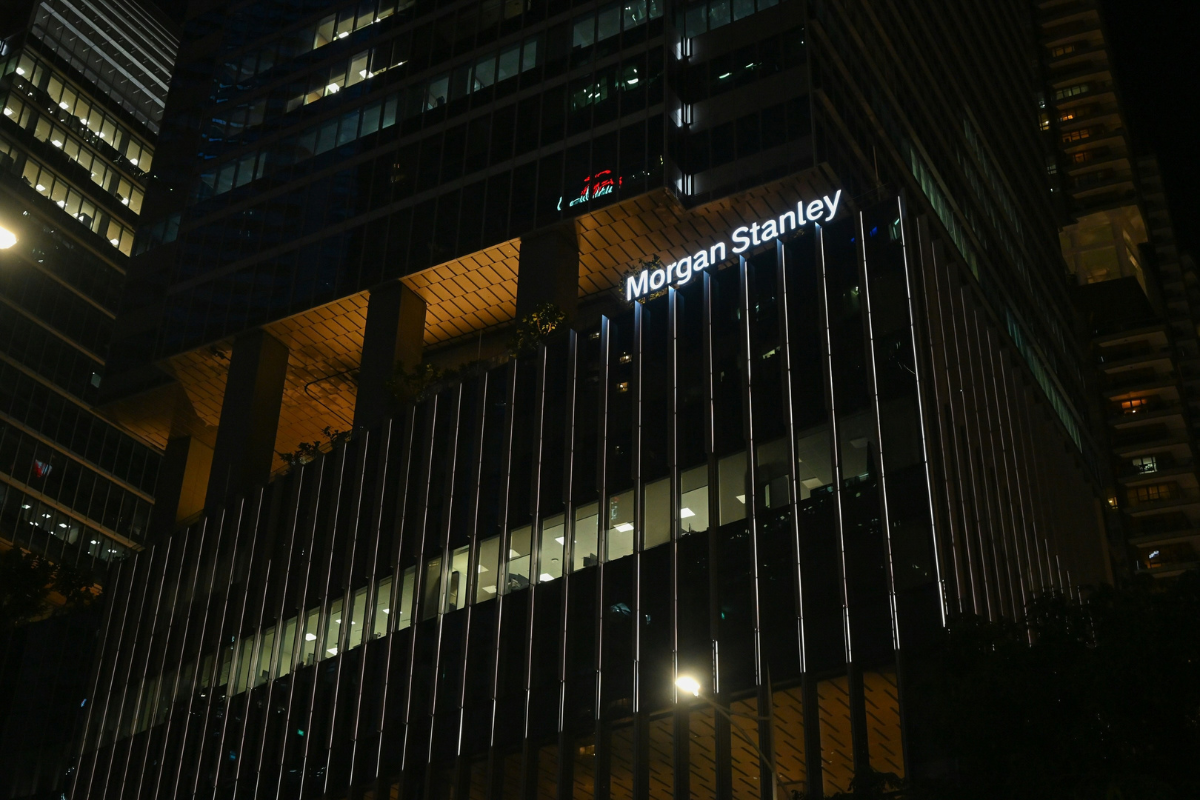

A Morgan Stanley email mistake exposed more than 100 potential investment-banking deals. More revealing was the map behind the list: which companies the bank was tracking, which financial sponsors were connected to them and which projects had already stalled.
- Morgan Stanley managing director Mohamed Atmani accidentally emails an internal investment banking pipeline tracker to external commercial clients.
- The leaked document maps more than 100 prospective transactions, private equity relationships, and stalled initial public offerings across Asia.
- The disclosure hands rival investment banks proprietary intelligence detailing pre-mandate client pitches and price-sensitive institutional financing strategies.
The internal file was sent this week by Mohamed Atmani, a Hong Kong-based managing director and Morgan Stanley’s Asia-Pacific head of financial sponsors in its investment-banking division, according to Bloomberg. Atmani intended to distribute a client-facing update on private-equity activity and recent transactions but instead sent an internal version to some clients. Bloomberg reviewed a copy, and people familiar with the matter verified its contents.
The document contained more than 100 deals Morgan Stanley was pitching or monitoring, with potential IPOs in China, South Korea and India, private-equity and pension-fund backers, and projects that had been put on hold. The list focused mainly on Asia but also covered Europe, the Middle East and Africa. Some sections contained price-sensitive information.
What The File Mapped
The file brought together information that normally sits across separate banking relationships. A company being tracked shows where Morgan Stanley was pursuing or monitoring potential work. A financial sponsor connects that coverage to a source of capital. A paused project marks an opportunity that had been tracked and was no longer moving.
For a rival bank, those links could show where Morgan Stanley was concentrating coverage and which sponsor relationships were associated with potential transactions. For an issuer or investor, the same information could show how a company was being positioned within a wider set of financing or capital-markets opportunities.
Have a development worth tracking?
Share product launches, funding announcements, partnerships, research findings and market developments with The Grey Terminal's readership.
→ Submit a Press ReleaseThat makes the connections more useful than the raw count. The number 100 shows the breadth of the pipeline. The relationships show how the bank was organizing that pipeline. The list also mixed opportunities at different stages. Some were pitches or matters being monitored, while others had been paused. A potential IPO is not an IPO mandate, and a sponsor reference does not establish that a transaction had been agreed.
Morgan Stanley has ranked among the top underwriters of Hong Kong stock sales and Asia mergers for years, according to Bloomberg. That makes an internal coverage map relevant beyond the individual transactions: it can show where a major regional investment bank was directing attention and developing relationships before those activities became public.
The Wrong File Went To Clients
The disclosure happened because the internal tracker was sent instead of the client-facing material Atmani had intended to distribute. After realizing the mistake, he sought to recall the message, according to Bloomberg. A blurred copy subsequently appeared on Instagram.
Morgan Stanley said it takes client confidentiality “extremely seriously” and moved to address the inadvertent sharing. “We promptly took steps to address this inadvertent sharing of information and we continue to engage with relevant parties,” the bank said.
Morgan Stanley has not publicly released the full document or confirmed the status of the individual transactions described in the reporting. The leak did not produce a public slate of 100 future deals; it exposed the pre-public map of companies, financial backers and stalled projects behind Morgan Stanley’s potential transaction pipeline.
Activate Terminal Layer
Structural analysis of the systems, pressures, and stakeholders behind this story.