

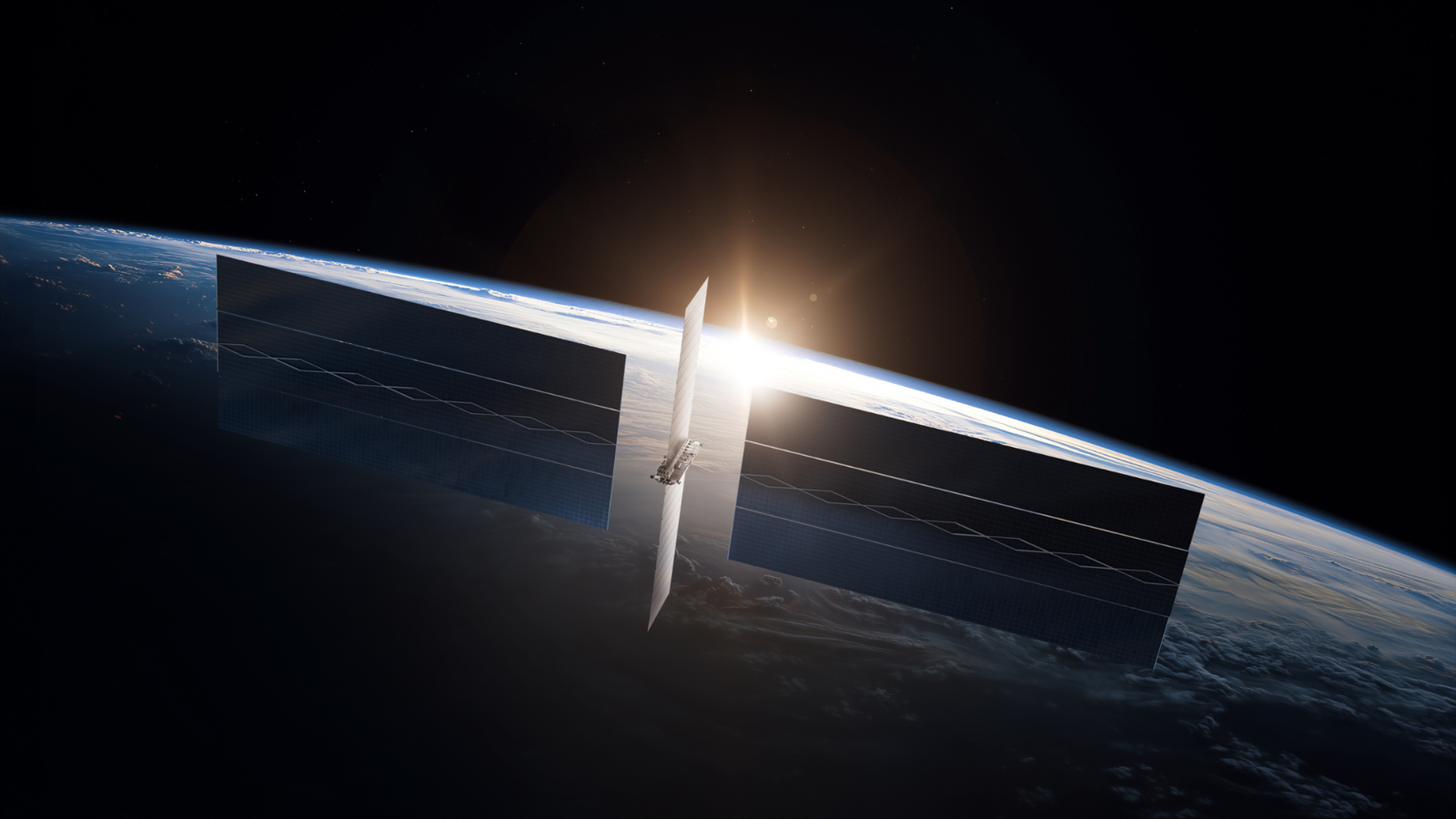

SpaceX has taken a step toward moving artificial intelligence computing beyond terrestrial data centers after announcing a partnership with Nvidia to develop an orbital computing platform built around the chipmaker’s next-generation processors.
- SpaceX partners with Nvidia to develop Starmind AI-1, the first data center-class artificial intelligence computing platform located in Earth's orbit.
- The Starmind AI-1 satellite payload delivers 250 kilowatts of peak computing capacity utilizing Nvidia Rubin graphics processors and Vera central processing units.
- SpaceX transitions into a physical infrastructure provider for machine learning by adapting mainstream Nvidia hardware to bypass terrestrial energy and cooling constraints.
The aerospace company said on Monday that it will use Nvidia’s Rubin GPUs and Vera CPUs to power its Starmind AI-1 satellite compute payload. SpaceX said the platform will provide up to 250 kilowatts of peak computing capacity, bringing data center-class AI hardware into orbit.
SpaceX Expands Beyond Satellite Connectivity
The partnership broadens SpaceX’s ambitions beyond satellite communications, adding on-orbit computing to a business best known for launch services and the Starlink broadband constellation.
SpaceX described Starmind AI-1 as a platform for ‘datacenter class space compute’, built to support artificial intelligence workloads directly in orbit rather than relying entirely on ground-based infrastructure.
According to the company, the satellites will combine Nvidia Rubin graphics processors with Vera central processing units. The stated peak capacity of 250 kilowatts is significantly higher than figures discussed during earlier concepts for the programme.
Have a development worth tracking?
Share product launches, funding announcements, partnerships, research findings and market developments with The Grey Terminal's readership.
→ Submit a Press ReleaseSpaceX has not identified customers or specific commercial applications for the platform.
Nvidia Extends Its AI Hardware Into Space
The project also expands Nvidia’s role in AI infrastructure beyond conventional data centers.
The company supplies processors used in many of the world’s largest AI clusters. The Starmind AI-1 programme marks its first publicly announced collaboration with SpaceX to deploy its latest-generation compute architecture in orbit.
Rather than designing a dedicated processor for space, the companies plan to adapt Nvidia’s mainstream AI hardware for satellite deployment. That approach could allow future orbital systems to evolve alongside Nvidia’s existing product roadmap.
Orbital Compute Becomes Part of SpaceX’s Infrastructure Strategy
The announcement reflects a broader strategy that treats orbit as another location for computing rather than solely a platform for communications.
SpaceX has previously outlined plans for modular AI satellites equipped with large solar arrays and thermal management systems designed to support high-performance computing in space. Elon Musk has also said similar engineering concepts could later be adapted for terrestrial data centers without the space-specific hardware.
The company has not announced when the first Starmind AI-1 satellite will launch.
AI Infrastructure Race Moves Beyond Earth
The partnership comes as technology companies continue to expand AI infrastructure to meet growing demand for advanced computing capacity.
Large investments in new data centers have accelerated over the past two years as demand for AI chips has outpaced supply. SpaceX’s latest announcement suggests the company sees orbit as another layer of future computing infrastructure rather than simply a transport network for data.
Running AI hardware in space presents technical challenges, including radiation exposure, thermal management and launch costs. It also offers characteristics that differ from terrestrial facilities, including access to large solar arrays and the ability to process data closer to space-based assets.
The partnership establishes the hardware foundation for SpaceX’s orbital computing plans. Whether AI workloads ultimately move beyond traditional data centers will depend on how quickly satellite-based computing can demonstrate commercial and operational advantages after deployment.
Activate Terminal Layer
Structural analysis of the systems, pressures, and stakeholders behind this story.