

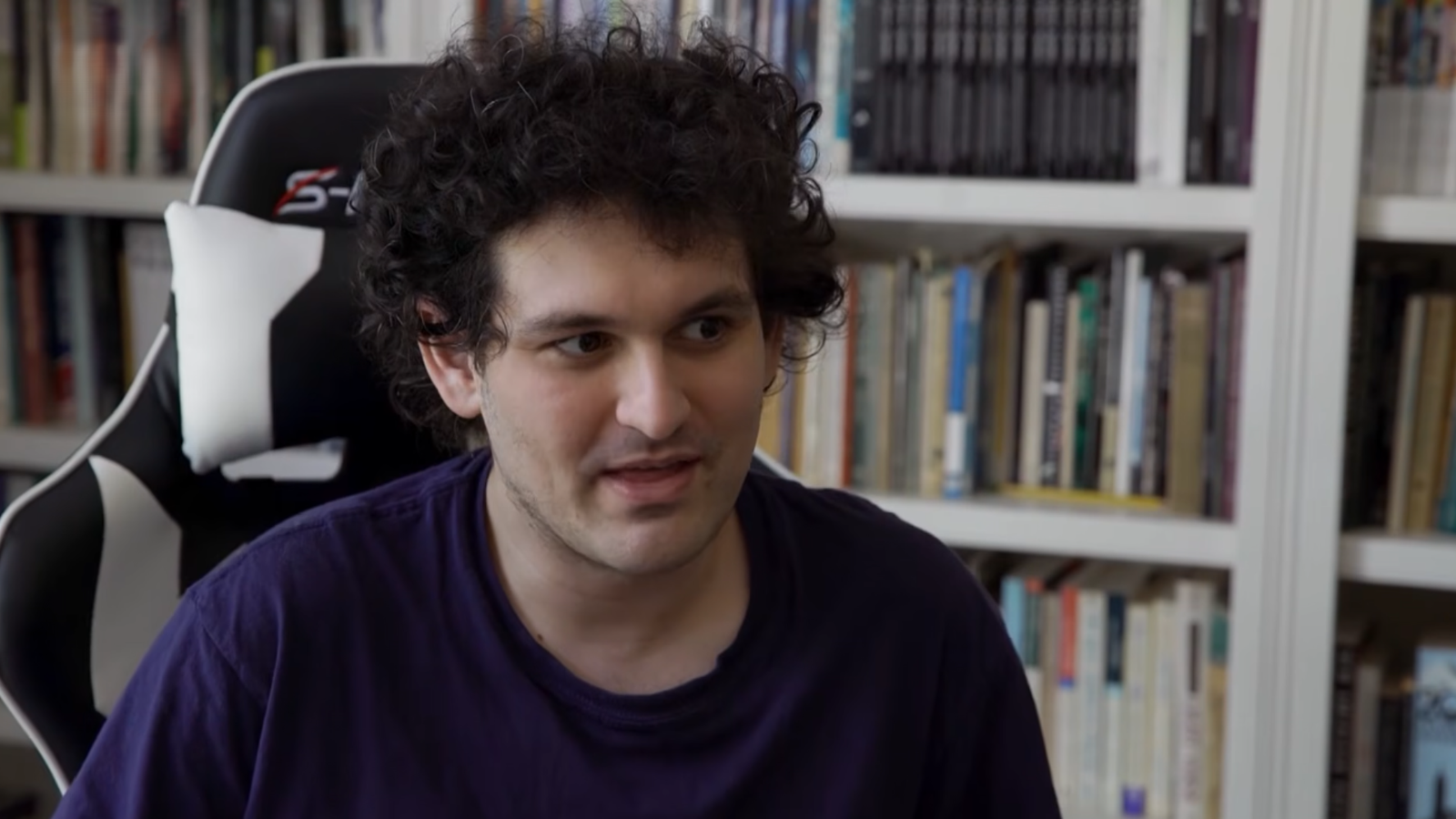

Sam Bankman-Fried’s effort to overturn his fraud conviction reached the end of the federal appeals court process after the U.S. Court of Appeals for the Second Circuit issued its mandate, leaving the former FTX chief executive with few remaining avenues to challenge his 25-year prison sentence.
- Sam Bankman-Fried’s 25-year prison sentence is finalized as the U.S. Court of Appeals for the Second Circuit issues its mandate.
- A three-judge panel upholds convictions on seven felony counts and maintains an $11 billion forfeiture order against the FTX founder.
- Judges rule that later bankruptcy recoveries do not excuse the initial criminal misappropriation of billions in customer deposits by Alameda Research.
The mandate made effective the Second Circuit’s June decision to uphold Bankman-Fried’s conviction on seven felony counts and returned the case to the trial court. The order did not alter the court’s ruling. It formally concluded the appellate court’s review and left any further challenge to extraordinary legal remedies, including a petition to the U.S. Supreme Court.
The development closes a major chapter in one of the cryptocurrency industry’s highest-profile criminal cases, nearly four years after FTX collapsed and prosecutors accused Bankman-Fried of diverting billions of dollars in customer funds to support trading firm Alameda Research.
Second Circuit Completes Appellate Review
The Second Circuit unanimously upheld Bankman-Fried’s conviction on June 12 after rejecting arguments that his trial had been unfair and that later developments in the FTX bankruptcy undermined the government’s fraud case.
On Aug. 4, the court issued its mandate, the procedural order that ends proceedings before the appeals court and returns jurisdiction to the U.S. District Court for the Southern District of New York. The mandate does not represent a new ruling on the merits. It gives legal effect to the appellate judgment and marks the completion of the Second Circuit’s role in the case.
Have a development worth tracking?
Share product launches, funding announcements, partnerships, research findings and market developments with The Grey Terminal's readership.
→ Submit a Press ReleaseThe three-judge panel affirmed Bankman-Fried’s convictions on charges that included wire fraud, securities fraud, commodities fraud and money laundering conspiracy. The court also left in place the 25-year prison sentence imposed by U.S. District Judge Lewis Kaplan and an approximately $11 billion forfeiture order.
In its opinion, the panel described the government’s evidence as “robust” and concluded the record overwhelmingly supported the jury’s verdict.
Appeals Court Rejects Core Defense Arguments
Bankman-Fried’s lawyers argued that the trial court improperly restricted evidence concerning customer recoveries achieved through the FTX bankruptcy process. They also contended that Bankman-Fried lacked fraudulent intent because he believed customers would eventually be repaid.
The appeals court rejected both arguments. The judges held that the later recovery of assets through the bankruptcy estate did not change whether fraud occurred when customer funds were diverted without authorization.
The opinion also rejected claims that evidentiary rulings and jury instructions deprived Bankman-Fried of a fair trial. Federal prosecutors argued at trial that Bankman-Fried directed customer deposits from FTX to Alameda Research, which used the funds for venture investments, political contributions, real estate purchases and other expenditures.
A jury convicted him in November 2023 on all seven criminal counts.
Bankruptcy Recoveries Did Not Change Fraud Findings
Since FTX entered bankruptcy in November 2022, estate administrators have recovered billions of dollars through asset sales, investments and legal settlements. The bankruptcy estate has said many customers are expected to recover more than the value of their account balances at the time FTX failed.
Bankman-Fried cited those recoveries in his appeal. The Second Circuit found they did not affect the criminal case because the alleged fraud was complete when customer money was misappropriated. The court’s reasoning aligned with the government’s position that later repayments do not erase earlier criminal conduct.
Few Legal Avenues Remain
The mandate narrows Bankman-Fried’s legal options but does not end them entirely. His attorneys may ask the full Second Circuit to rehear the case, although such requests rarely succeed. They may also petition the U.S. Supreme Court to review the appellate decision.
The Supreme Court accepts only a small percentage of petitions each term, and there is no guarantee it will hear the case. Executive clemency also remains available under U.S. law, although there has been no indication that such relief is being considered.
With the Second Circuit’s review complete, the focus now shifts to whether Bankman-Fried will pursue those remaining avenues or begin serving the remainder of the sentence imposed after one of the largest financial fraud convictions in the history of the cryptocurrency industry.
Activate Terminal Layer
Structural analysis of the systems, pressures, and stakeholders behind this story.