

President Donald Trump announced a $25 million federal anti-fraud initiative on Oct. 20, promising tipsters 1% of recovered fraud and saying he would personally arbitrate disputes over rewards. The Justice Department’s published rules for its Criminal Tip Rewards Pilot Program specify discretionary payments of $10,000 to $30,000 for qualifying information that leads to unsealed criminal charges. The administration has not explained how the percentage-based promise would operate alongside the written pilot rules.
- President Donald Trump announces a twenty-five million dollar federal initiative promising tipsters one percent of recovered fraud funds.
- The Department of Justice pilot caps formal awards between ten thousand and thirty thousand dollars across eight federal agencies.
- Official agency guidelines omit Trump's percentage-based promise and personal arbitration claims, creating administrative conflict over whistleblower compensation rules.
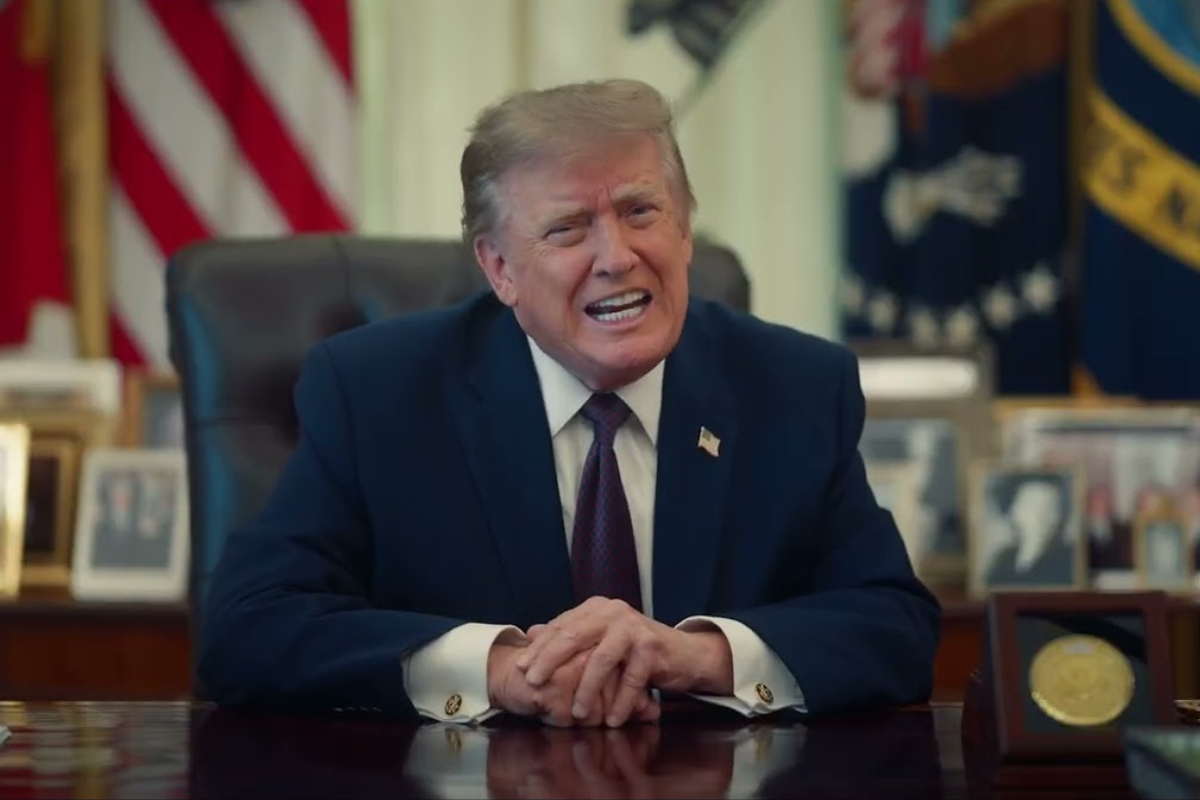
Trump made the announcement in the Oval Office alongside Vice President JD Vance, who chairs the administration’s Task Force to Eliminate Fraud. YouTuber Nick Shirley, whose video alleging fraud at Minnesota day care centers drew national attention, received a $10,000 award at the event.
Trump Describes His Proposed Reward System
Trump illustrated his proposal by saying a $1 billion recovery could produce a $10 million reward for a tipster. He said he would act as the “arbitrator” in disputes over payments, describing his decisions as binding and promising to be generous. He also indicated that percentage-based rewards would not have a fixed dollar cap.
The announcement did not set out how a recovery would be calculated for reward purposes, how competing claims would be assessed or what process would govern disputes. The administration has not published further terms establishing how the proposed arrangement would be administered.
Justice Department Defines Pilot Eligibility
The Justice Department’s National Fraud Enforcement Division says its three-year pilot will reward original, voluntary, specific, truthful, complete and timely information that leads to criminal charges being unsealed. Awards range from $10,000 to $30,000 and may be paid at the charging stage, without waiting for a conviction or requiring the government to recover money.
Have a development worth tracking?
Share product launches, funding announcements, partnerships, research findings and market developments with The Grey Terminal's readership.
→ Submit a Press ReleaseThe program covers federal health care offenses and fraud involving programs administered by the departments of Agriculture, Labor, Health and Human Services, Housing and Urban Development, Education and Veterans Affairs, as well as the Small Business Administration. Priority areas include hospice care, home health care, day care and special services fraud. The Treasury Department has committed $25 million to the initiative.
Awards remain within the department’s sole discretion and are not subject to judicial review. The rules preserve tipsters’ eligibility for other government whistleblower programs. The department’s program guidance and frequently asked questions do not specify a general 1% payment formula.
Shirley’s Award Follows Minnesota Fraud Allegations
Shirley received the award after publishing a roughly 42-minute video in December 2025 alleging fraud at Minnesota day care centers. A CBS News review of state records found that all but two of the centers it examined had active licenses. Records showed recent regulatory visits and citations, including for safety, cleanliness and staff training, but CBS found no contemporaneous recorded evidence substantiating the specific fraud allegations in the video as of Dec. 30, 2025.
Fahima Egeh Mahamud, the former chief executive of Minneapolis’ Future Leaders Early Learning Center, which appeared in Shirley’s video, pleaded guilty on July 9, 2026, to wire fraud and conspiracy to defraud the United States. The case involved about $850,000 in false or inflated claims connected to the Feeding Our Future child nutrition scheme and approximately $4.6 million in Child Care Assistance Program claims involving required family copayments that were not collected, according to contemporaneous reporting.
Mahamud’s plea establishes criminal conduct in her case. It does not independently substantiate every allegation in Shirley’s video or establish wrongdoing at the other centers featured.
The administration has not publicly explained whether Shirley’s award was made under the Justice Department pilot’s criteria or through a separate process. It also has not published terms showing how the proposed 1% commission would be authorized, calculated or disputed.
Activate Terminal Layer
Structural analysis of the systems, pressures, and stakeholders behind this story.