

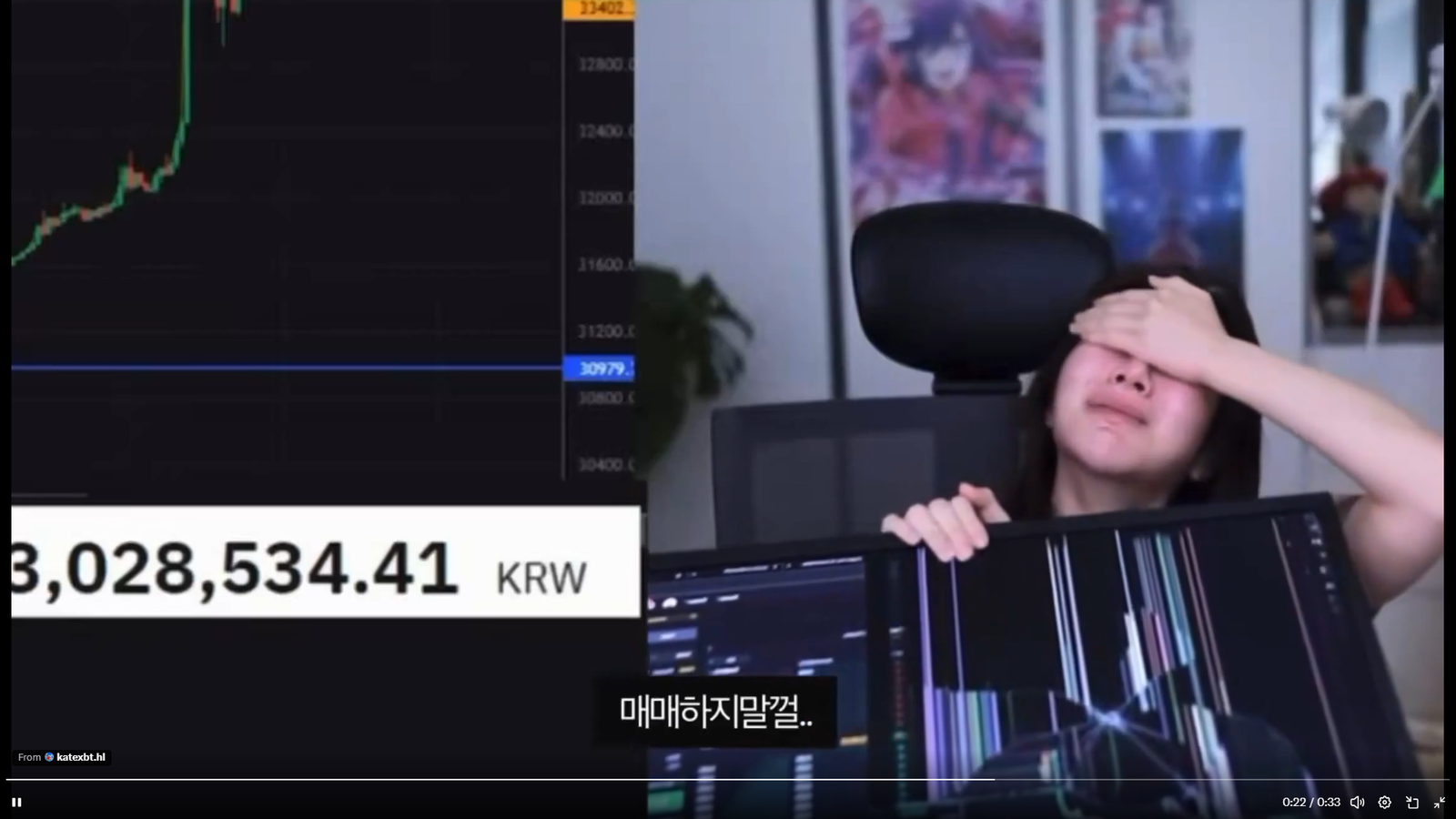

A viral video showing a cryptocurrency trader breaking down after an apparent liquidation has reignited debate over one of crypto social media’s most lucrative content formats after a prominent industry commentator alleged the emotional clips are designed to drive affiliate revenue rather than document genuine losses.
- Scott Melker alleges that viral cryptocurrency liquidation videos are a deliberate performance used to generate massive affiliate revenue.
- One viral clip from Jadoodoo shows a 3 million Korean won loss, worth approximately $2,100, while driving millions of social views.
- Shifting creator economics prioritize emotional engagement over successful Bitcoin trades, creating a conflict between authentic documentation and profitable performance art.
Scott Melker, a cryptocurrency investor and host of The Wolf of All Streets podcast, said the widely shared videos are part of a deliberate content strategy. In a post on X, Melker wrote, “People keep sending me this video. It’s an act,” adding that he had met the streamer in Singapore and alleging her business model centres on posting liquidation videos before directing followers to donation pages and cryptocurrency exchange referral links. He also claimed she had “made millions”, though he did not provide evidence and the figure has not been independently verified.
The comments have drawn fresh attention to Korean crypto creator Jadoodoo, whose dramatic reactions to leveraged Bitcoin and cryptocurrency trades have regularly gone viral across X, TikTok and YouTube, often detached from their original context.
Melker’s Claims Spotlight Crypto Creator Economics
Melker’s remarks have not been independently verified. Jadoodoo has not publicly responded to his allegations.
Publicly available records, however, show that her content is closely tied to referral programmes for several cryptocurrency exchanges, including Binance, OKX and Deepcoin. Links offering trading-fee rebates appear across numerous video descriptions, alongside YouTube memberships and a Toonation page that allows viewers to send direct financial support.
Have a development worth tracking?
Share product launches, funding announcements, partnerships, research findings and market developments with The Grey Terminal's readership.
→ Submit a Press ReleaseHer official website, YouTube channel and promotional material also disclose marketing partnerships with trading platforms.
The combination of affiliate marketing and creator donations has become a common revenue model across crypto content, particularly among influencers focused on leveraged futures trading.
Viral Liquidation Clips Drive the Highest Engagement
Jadoodoo, whose real name has been reported by Korean sources as Park Jin-hee, built her online following around livestreams of high-risk cryptocurrency futures trading.
Many of her most-viewed videos feature liquidations or sharp trading losses. Titles translated from Korean include “Woke Up and Got Liquidated”, “The Biggest Liquidation in the History of My Crypto Broadcast”, and “A Crypto YouTuber Humiliated After Losing Money”.
Her videos frequently show emotional reactions as positions are closed, often attracting millions of views after being reposted across social media.
One of the latest clips circulated internationally with claims that she had lost millions of dollars. The amount visible on screen was approximately 3 million Korean won, equivalent to roughly $2,100 at prevailing exchange rates.
Korean Community Divided Over Authenticity
Discussion among Korean viewers reflects a mix of entertainment, scepticism and support.
Posts on NamuWiki, a widely used Korean online encyclopedia, describe Jadoodoo as a creator known for moving between “heaven and hell” through cryptocurrency trading reactions. The page notes that while videos showing losses attract the largest audiences, livestreams have reportedly been more consistently profitable.
Viewer comments reviewed by The Grey Terminal range from describing her as a “reaction goldmine” to questioning whether repeated liquidation videos function primarily as promotional content for referral programmes. Other commenters argue the emotional reactions appear genuine and reflect the psychological strain of leveraged trading.
No evidence has emerged showing that her trades themselves were fabricated or conducted on simulated accounts.
Performance and Profit Are Increasingly Intertwined
The debate highlights a broader shift in the economics of crypto content creation.
Revenue for many trading influencers no longer depends solely on successful market calls. Affiliate commissions, sponsorships, memberships and viewer donations have become significant income sources, allowing creators to monetise engagement regardless of whether individual trades end in profit or loss.
Melker’s comments have brought renewed scrutiny to that model at a time when short-form videos of dramatic liquidations continue to spread widely across social media.
His central allegation, that emotional trading losses are being presented as entertainment designed to generate referral income and donations, remains his own account. Public records confirm that Jadoodoo actively promotes affiliate programs and accepts viewer contributions, but they do not independently establish that her trading losses are staged or that she has earned the amounts Melker claimed.
Activate Terminal Layer
Structural analysis of the systems, pressures, and stakeholders behind this story.