

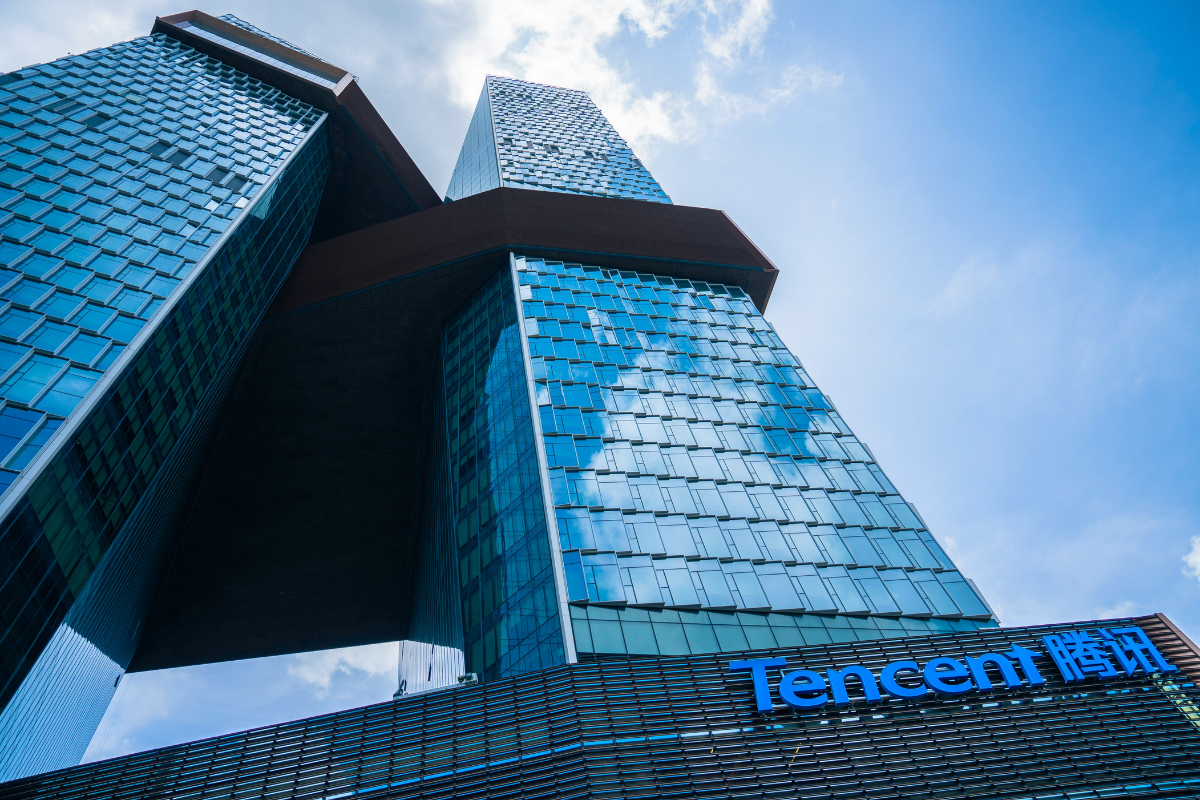

Oracle canceled a planned $7 billion artificial intelligence chip lease with Tencent after US officials raised concerns about the arrangement and officials in Guangdong urged the Chinese technology company to support domestic chipmakers, the Financial Times reported Wednesday. The cancellation removes a planned source of advanced computing capacity for Tencent’s Hunyuan AI models, though the company has not disclosed how it will replace that capacity.
- Oracle cancels a seven-billion-dollar artificial intelligence chip lease with Tencent following bilateral political pressure from Washington and Guangdong authorities.
- The five-year contract planned to deploy 100,000 advanced processors in Southeast Asia with an estimated thirty percent upfront cash deposit.
- The cancellation deprives Tencent of foreign compute infrastructure for Hunyuan models, escalating tensions around Chinese tech firms circumventing chip restrictions.
The agreement would have provided Tencent access to about 100,000 advanced processors through Oracle data centers in Southeast Asia over five years. The FT cited people familiar with the matter. Reuters said it could not independently verify the cancellation report. Oracle, Tencent and the White House did not immediately respond to Reuters’ requests for comment.
US and Guangdong Officials Raised Concerns
US officials approached Oracle to raise concerns about the Tencent arrangement, the FT reported. Separately, senior Guangdong officials visited Tencent and urged it to support domestic Chinese chipmakers instead of relying on overseas computing resources. Tencent is headquartered in Shenzhen, a major city in Guangdong province.
The reported interventions preceded the cancellation, but neither government publicly announced a rule specifically prohibiting the arrangement. The FT report described political pressure on both companies, not a newly issued export-control ban. Overseas computing leases remain subject to applicable restrictions, including rules governing customers and end users.
The available reporting does not establish whether the arrangement had reached the point of transferring computing capacity or whether any payment was refunded. Neither Oracle nor Tencent has publicly explained the cancellation, and no government statement has confirmed the reported reasons.
Have a development worth tracking?
Share product launches, funding announcements, partnerships, research findings and market developments with The Grey Terminal's readership.
→ Submit a Press ReleaseTencent Had Planned a Five-Year Computing Lease
The proposed lease was first reported in October. Tencent had agreed to rent computing capacity across multiple Oracle data centers in Southeast Asia for five years, with an estimated value of $7 billion. The arrangement reportedly included an upfront payment of roughly 30% of the contract value, according to the FT.
The processors were intended to help Tencent train larger Hunyuan models and develop AI agents. The FT described the arrangement as Tencent’s largest overseas computing lease. Chinese technology companies have increasingly sought computing capacity overseas to access advanced processors that US export controls restrict from being shipped directly to China.
Tencent released its Hy4 model on Wednesday, the same day the cancellation was reported. However, the reporting does not establish that Oracle’s planned capacity was intended for Hy4’s training or that the cancellation affected the model’s release. It also does not establish that Tencent has moved Hunyuan training runs to domestic hardware.
Tencent Already Has a Domestic Chip Investment
Tencent has invested in Enflame, a Chinese artificial intelligence accelerator developer, and held approximately a 20% stake, according to company filings and contemporaneous IPO coverage. Enflame processors have been deployed in Tencent’s computing infrastructure, including AI workloads.
Enflame’s existing deployments do not establish that it can replace the capacity Tencent planned to obtain through Oracle. Tencent has not disclosed whether domestic suppliers can meet the requirements of future Hunyuan training runs or whether it will seek another overseas provider.
Other Chinese AI Companies Have Overseas Capacity
Tencent is not alone in seeking computing resources beyond mainland China. ByteDance and Alibaba have also secured overseas infrastructure for their AI operations, including in Southeast Asia, the FT reported. Their arrangements involve separate contracts and requirements.
The Oracle cancellation does not establish that either company’s overseas leases have been terminated. It also does not establish a blanket prohibition on overseas computing arrangements for Chinese AI developers.
For Tencent, the cancellation means losing a planned source of advanced computing capacity. The company has not announced a replacement provider or explained how the decision will affect future Hunyuan training runs.
Activate Terminal Layer
Structural analysis of the systems, pressures, and stakeholders behind this story.