

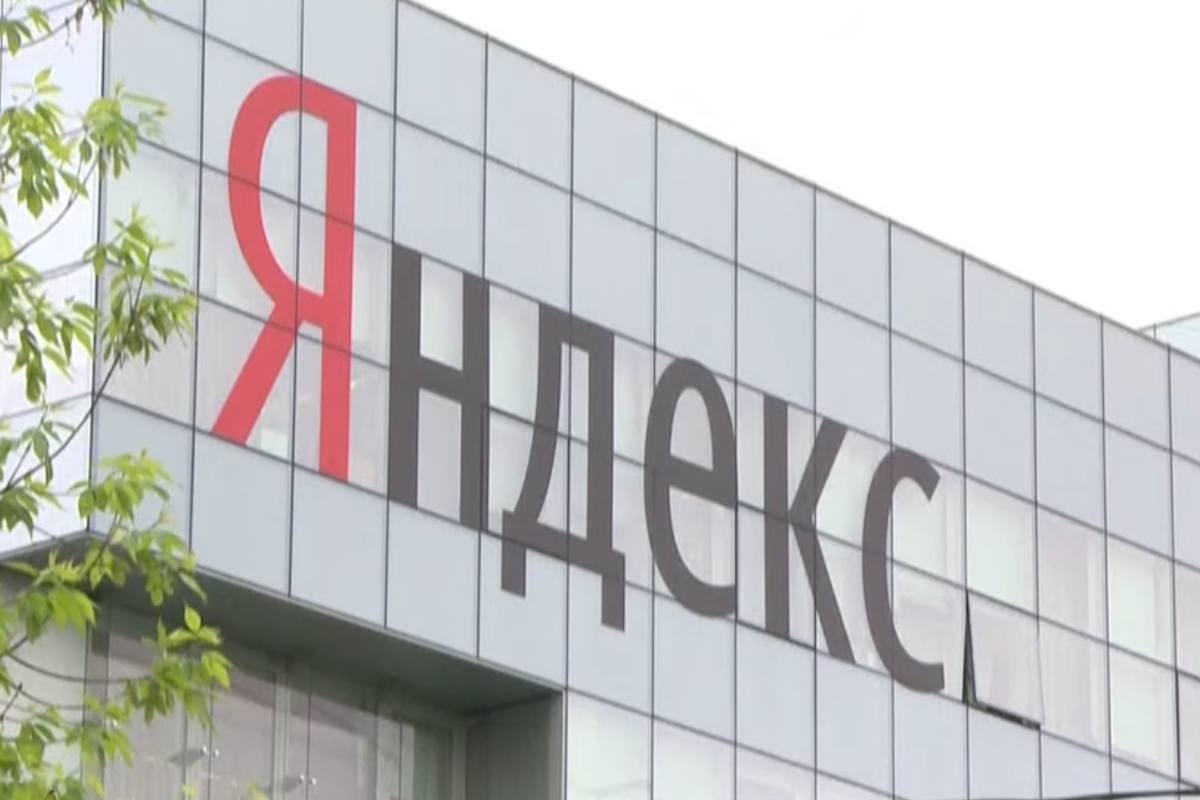

Ukrainian President Volodymyr Zelenskyy said social media had become “a little easier to breathe” after Ukrainian drone strikes damaged three data centers operated by Russian technology company Yandex. His remarks coincided with viral claims on X and Reddit that Russian bots had gone quiet, but publicly available data do not establish that the attacks silenced Russian-linked social media accounts.
- Ukrainian drone strikes damage three Yandex data centers in Russia, disrupting cloud infrastructure and artificial intelligence supercomputers.
- Cloudflare Radar registers a sharp decline in automated HTTP requests across Yandex network AS13238 following the October strikes.
- Volodymyr Zelenskyy links the attacks to silenced propaganda bots, though digital researchers identify the traffic drop as search indexing crawlers.
The strikes between Oct. 8 and 11 disrupted Yandex infrastructure used for digital services and artificial intelligence development. As users reported quieter feeds and less hostility, a widely shared Cloudflare Radar chart showed a sharp decline in automated traffic from Yandex’s network. The chart measures requests to websites, however, not activity by accounts on social media platforms.
Three Yandex Data Centers Hit in Four Days
Yandex confirmed on Oct. 9 that a drone attack had seriously damaged its data center in Sasovo, in Russia’s Ryazan region, forcing a complete shutdown. The company also reported that an attack on its Kaluga facility had put part of its infrastructure out of service. It said no employees were injured in either incident.
On Oct. 11, Yandex confirmed that a third drone attack had shut down its data center in the Vladimir region. Reuters reported that the Sasovo facility housed two of the three supercomputers Yandex used to develop its artificial intelligence models. Yandex said some services were unavailable, although it did not provide a complete account of the damage or a firm restoration timeline.
The company operates search, cloud computing, transportation, food delivery and payment services across Russia. The attacks followed Russian strikes on Ukrainian data infrastructure, which Zelenskyy cited when explaining Ukraine’s response. The damage to Yandex facilities is documented, but its effect on social media influence operations remains unverified.
Have a development worth tracking?
Share product launches, funding announcements, partnerships, research findings and market developments with The Grey Terminal's readership.
→ Submit a Press ReleaseZelenskyy Attributes Quieter Feeds to Fewer Bots
Speaking by video link to the Warsaw Security Forum on Oct. 12, Zelenskyy said social media had become easier to navigate after Ukrainian strikes reached Yandex’s data centers. He described a perceived decline in online hostility and provocation.
“Suddenly it became a little easier to breathe on many social media platforms,” Zelenskyy said in remarks reported from the forum. He added that people had noticed less hatred, division and provocation “because there were fewer bots.”
Zelenskyy repeated the claim on his official X account, arguing that the apparent disappearance of the accounts revealed their origin. His remarks drew attention as users shared anecdotes about quieter feeds and reduced engagement. Those reports do not independently establish that Russian-linked accounts stopped operating or that the strikes caused any change.
Claims also spread that political activity had declined on X and Reddit. An anonymous analysis posted to Reddit’s r/theydidthemath examined hourly post and comment data from Syften across multiple subreddits around the reported strike windows. The post was later removed, while cropped versions circulated with stronger interpretations of the apparent declines.
The analysis itself cautioned that its results were not stable across different timing checks and were “not evidence of bots, server use or causation.” Changes in posting volume alone cannot identify automated accounts or establish why activity rose or fell.
Cloudflare Chart Does Not Track Social Media Bots
Cloudflare Radar’s widely shared chart tracks automated HTTP requests associated with AS13238, the network identifier for Yandex LLC. It showed a sharp drop in automated traffic from the network around the period of the strikes, consistent with the documented disruption to Yandex’s infrastructure.
Automated requests include legitimate search-engine crawlers, such as YandexBot, which visit websites to discover and index content. The chart does not count posts, comments or accounts on X or Reddit. Nor does it identify whether an automated request belongs to a political influence operation.
Researchers who monitor Russian influence activity, including the account antibot4navalny, challenged interpretations of the chart as evidence that social media bots had been silenced. The Verge reported that the visualization concerned automated Yandex web traffic and that overall Russian automated traffic did not show a comparable collapse.
Search crawlers retrieve website content for indexing. Social media bots operate accounts that may publish posts, reply to users or amplify messages. A decline in crawler traffic cannot, on its own, establish a corresponding decline in coordinated online activity.
Impact on Russian Influence Operations Remains Unknown
The strikes may have disrupted activity that depended on the affected infrastructure. But the available public evidence does not establish how many Russian-linked social media accounts, if any, lost access because of the damage. Influence operators can also use other infrastructure, including virtual private networks and residential proxies, rather than relying solely on traffic routed through Yandex’s data centers.
Establishing a strike-linked decline in coordinated activity would require platform-level measurements or independent tracking of identifiable accounts before and after the attacks. Neither the Cloudflare chart nor the Reddit analysis provides that evidence.
The confirmed effects are the damage to three Yandex data centers, disruption to services and a sharp fall in automated traffic from the company’s network. Whether Russian social media bots also went quiet remains unverified. Reports of quieter feeds may reflect genuine user experiences, but they do not establish that the strikes silenced an influence network.
Activate Terminal Layer
Structural analysis of the systems, pressures, and stakeholders behind this story.