

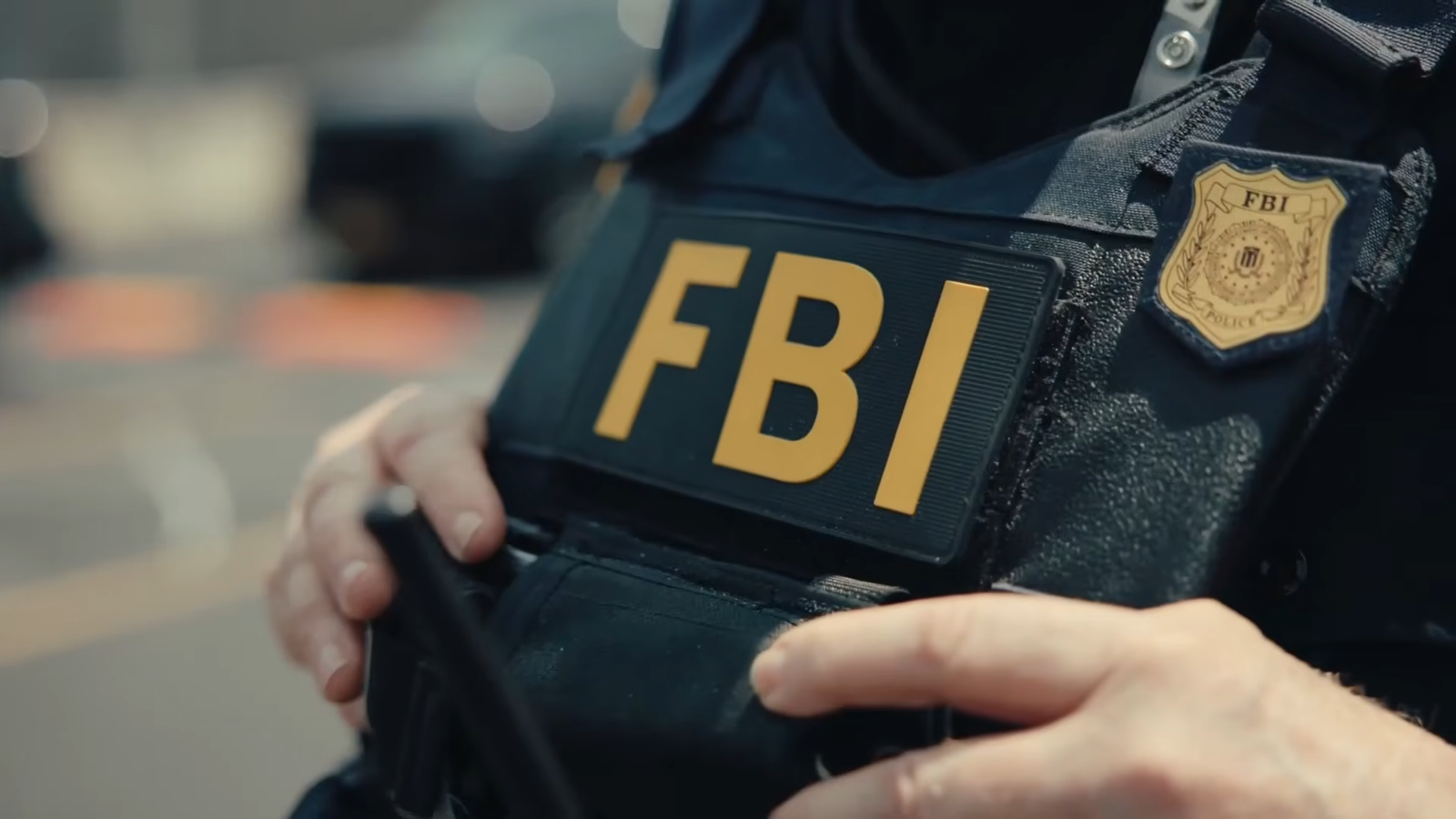

A veteran FBI counterintelligence supervisor allegedly memorized cryptocurrency recovery seed phrases from wallets seized during a national security investigation, then used them months later to transfer about $1 million into accounts under his own control, according to newly unsealed federal court records.
- Federal prosecutors in Virginia charge FBI supervisor Patrick Steven Yaroch with stealing one million dollars in cryptocurrency using memorized seed phrases.
- Yaroch executed up to twelve unauthorized transfers from seized foreign adversary wallets before confessing and returning roughly $925,000 in July 2026.
- The insider breach bypasses hardware encryption entirely through authorized access, exposing systemic custody vulnerabilities across federal law enforcement asset-seizure protocols.
The allegations against Patrick Steven Yaroch, a supervisory special agent who held Top Secret security clearance, expose how even sophisticated cryptocurrency investigations can be undermined by access to the most basic form of wallet security: recovery seed phrases. Prosecutors say Yaroch used information obtained through authorised FBI access rather than exploiting technical vulnerabilities, before later admitting the theft and helping recover most of the funds.
FBI Counterintelligence Supervisor Charged
Federal prosecutors in the Eastern District of Virginia charged Yaroch with interstate transportation of stolen property and receipt of stolen property after alleging he transferred cryptocurrency from wallets connected to an adversarial foreign nation that had already been secured during an FBI investigation.
According to the criminal complaint, Yaroch worked in the FBI’s Counterintelligence and Espionage Division after previously serving on a Boston-based national security squad investigating foreign intelligence threats. His position gave him authorised access to investigative material associated with cryptocurrency wallets under FBI control.
Court papers allege Yaroch memorised recovery seed phrases associated with those wallets before carrying out between 10 and 12 cryptocurrency transfers into wallets he controlled. The affidavit values the transferred assets at approximately $1 million.
Have a development worth tracking?
Share product launches, funding announcements, partnerships, research findings and market developments with The Grey Terminal's readership.
→ Submit a Press ReleaseRecovery Seed Phrases Became the Weakest Link
Unlike passwords stored on online services, cryptocurrency seed phrases function as the master recovery key for self-custodied digital wallets. Anyone possessing the phrase can recreate the wallet on another device and move the assets without needing physical access to the original hardware wallet.
Investigators do not allege Yaroch defeated encryption or compromised blockchain technology. Instead, prosecutors say he relied on information he had legitimately accessed during the course of his official duties.
The complaint alleges Yaroch later transferred portions of the cryptocurrency through additional accounts, including wallets connected to decentralised finance services and a cryptocurrency exchange.
FBI Agent Later Confessed
According to the affidavit, Yaroch contacted a Department of Justice employee on July 29 before voluntarily requesting to speak with investigators. During interviews, prosecutors say he admitted taking the cryptocurrency and described the decision as something that had been ‘eating him up inside’.
The complaint quotes him telling investigators, “I fucked up.” Court records state Yaroch said he had become frustrated by what he viewed as the FBI’s inability to more aggressively disrupt an adversarial foreign nation’s use of cryptocurrency and decided to ‘take matters into his own hands’.
Investigators said Yaroch cooperated in transferring roughly $925,000 back into government-controlled wallets after his confession. The FBI placed him on administrative leave before terminating his employment on July 31.
Search Warrant Revealed Travel Planning
Searches of Yaroch’s home recovered electronic devices, a hardware cryptocurrency wallet, handwritten recovery information and travel documents, according to the complaint. Investigators also cited internet and artificial intelligence chatbot searches relating to investing or spending $1 million, relocating to Europe, Portuguese residency and estate planning.
Court documents say Yaroch had planned to travel to Portugal in September 2026. The affidavit does not allege those searches constituted criminal conduct but includes them as part of the broader investigation timeline.
Case Highlights Insider Security Risks
The allegations illustrate a security challenge that extends beyond cryptocurrency. Digital asset platforms frequently focus on protecting wallets against hackers, malware and cyberattacks, but recovery seed phrases remain a single point of control if improperly handled by authorised personnel.
The complaint alleges the cryptocurrency was already under FBI investigative control when Yaroch accessed the recovery information, making the case an example of alleged insider misuse rather than external compromise. No blockchain vulnerability has been alleged.
Yaroch has been charged but has not been convicted. The allegations remain subject to judicial proceedings.
Activate Terminal Layer
Structural analysis of the systems, pressures, and stakeholders behind this story.